
What to Know About Shooting in Low-Light Wedding Photography
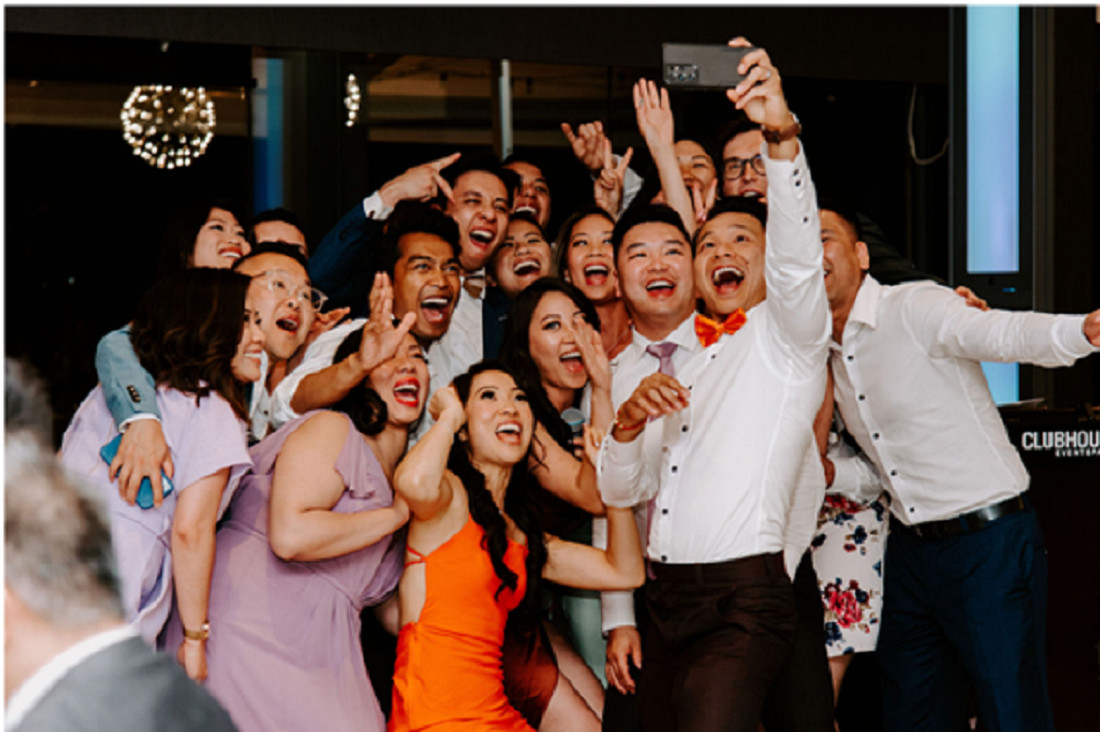
There’s a moment at almost every wedding when the sun dips below the horizon, fairy lights flicker on, and the atmosphere shifts. But for photographers, this is where the real challenge begins.
Let’s explore some expert tips for low-light wedding photography to nail your focus every time.
Low-light photography isn’t just about working in dim conditions, but it’s about capturing emotions, preserving ambiance, and telling a story without compromising on quality. At Origin Weddings, our wedding photography is designed for couples who want real moments, fast delivery, and an effortless process.
If you are planning your big day or hiring a photographer, understanding the nuances of low-light wedding photography can make all the difference.
Ultimate Guide to Low-Light Wedding Photography
Why Low-Light Photography Matters in Weddings
Weddings don’t pause when the sun sets and neither should the storytelling. Some of the most emotional and visually stunning moments happen in low light to document:
- Candlelight ceremonies
- Receptions that occur outside daylight hours
- The couple’s first dance under warm lights
- Rituals lit by diyas or candles
- Late-night celebrations on the dance floor
Capturing these moments authentically requires more than just a good camera. It demands skill, preparation, and creative vision.
The Biggest Challenges in Low-Light Wedding Photography
Here are some of the biggest challenges many photographers face when doing low-light wedding photography.
- Autofocus Failure: Camera struggles to find contrast in dim lights, causing focus hunting.
- High ISO Noise/Grain: Raising ISO to compensate for a lack of light results in grainy, low-quality images.
- Motion Blur: Weddings are full of moments like walking, dancing, and hugging, and without enough light, shutter speeds drop, and motion blur can creep in.
- Ineffective Flash/Lighting Issues: Dark or black ceilings and walls prevent the use of bounce flash, leading to harsh, direct, or flash lighting.
- Unflattering Color Casts: Mixed lighting sources, such as LEDs and candles, create difficult white-balance scenarios.
- Focus & Composition in Darkness
Difficulty seeing the composition and properly focusing in extremely dark rooms requires manual focus or focus aids.
Essential Techniques for Stunning Low Light Shots
So, how do professionals make it look effortless? Here’s where the magic happens.
1. Mastering Camera Settings
Mastering camera settings, especially the exposure triangle of aperture, shutter speed, and ISO, is essential for stunning low-light shots, as it allows you to balance maximum light intake with minimal noise and blur.
And a skilled photographer knows how to balance these three critical elements:
- ISO: Increased carefully to brighten images without excessive noise
- Aperture: Wide apertures (like f/1.8 or f/2.8) allow more light in
- Shutter Speed: Adjusted to avoid blur while maintaining exposure
It’s not just technical. It’s instinctive, developed over years of experience.
2. Using External Lighting Creatively
Using external lighting creatively transforms low-light scenes from dull to dramatic by allowing photographers to control and shape light.
- Bounce flash creates soft, natural-looking illumination.
- Off-camera flash adds depth and dimension, separating the subject from the dark background.
- Continuous lighting helps maintain ambiance while keeping the background cool-toned.
These methods provide creative control, reduce harsh shadows, add depth, and enhance the scene without overpowering it.
3. Leveraging Natural and Ambient Light
Sometimes, the best light is already there. You just need to see it differently. Leveraging natural light offers moody, authentic, and sharp illumination that artificial flash often lacks.
- Candlelight for romantic portraits
- Fairy lights for dreamy backgrounds
- Stage lighting for dramatic silhouettes
Great photographers don’t fight the light. They work with it.
4. Stabilization is Key
In low light, even the slightest shake can ruin a shot. Professionals rely on:
- Tripods or monopods
- Lens stabilization features
- Steady hand techniques developed through practice
Equipment That Makes a Difference
While skill is everything, the right gear definitely helps in low-light wedding photography.
- Fast Lenses: Prime lenses with wide apertures (like 50mm f/1.8) are a game-changer for low-light wedding photography.
- Full-Frame Cameras: They perform better in low light and produce cleaner images with less noise.
- External Flashes & Light Modifiers: Soft boxes, diffusers, and reflectors help control light beautifully.
Tips for Couples Planning a Low-Light Wedding Photography
While the techniques above are for photographers, couples also play an important role in ensuring beautiful low-light wedding photos. With a few thoughtful decisions, you can significantly enhance the final results.
Here are some effective tips for couples who are looking for low-light wedding photography services:
- Discuss lighting with your photographer beforehand
- Consider adding subtle ambient lighting (fairy lights, candles, warm LEDs)
- Plan key moments in slightly better-lit areas if possible
- Trust your photographer’s vision
A little planning goes a long way in ensuring stunning results.
The Bottom Line
Low-light wedding photography isn’t a limitation, but it’s an opportunity, and when handled right, it transforms ordinary moments into something magical, emotional, and unforgettable.
The key lies in choosing the right team that understands both the technical and emotional aspects of wedding storytelling.
At Origin Weddings, we don’t just capture images. We preserve memories, no matter the lighting conditions.
If you’re planning a wedding and want every moment beautifully documented, even after the lights go down, we’re here to make it happen.
Get in touch with Origin Weddings today and let’s create something timeless together!
FAQ’s About Low-Light Wedding Photography
Will my photos look grainy in low light?
Not if handled by an experienced photographer. Professionals balance ISO and lighting techniques to minimize noise and maintain clarity.
Is flash always used in low-light weddings?
Not always. It depends on the setting. Skilled photographers use flash selectively to enhance, not to overpower, the natural ambiance.
Can candid shots still be captured in low light?
Absolutely! In fact, low light often creates more natural and intimate candid moments.
Should I add extra lighting to my venue?
Soft ambient lighting (like fairy lights or candles) enhances both mood and photography. Avoid overly harsh lighting setups.
[/fusion_text][/fusion_builder_column][/fusion_builder_row][/fusion_builder_container]